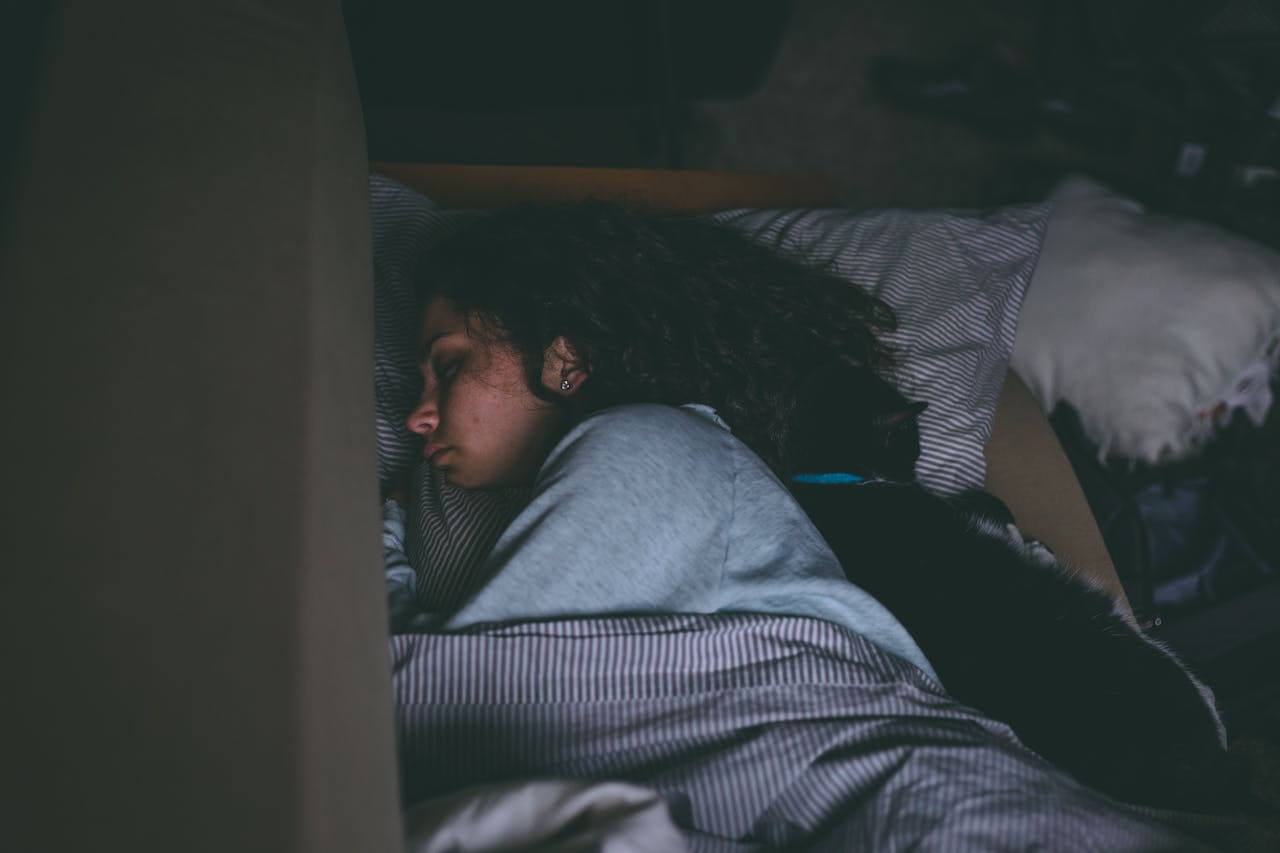
Why your sleep changes as you age

In a Nutshell
Sleep patterns may gradually shift across adulthood, sometimes leading to earlier bedtimes, lighter sleep, and more frequent awakenings.
Your circadian rhythm, overall health, and daily habits all shape how rested you feel.
When you understand how sleep evolves with age, it becomes easier to adjust your routines, support your mental wellbeing, and recognise when extra support may help.
At some point in adulthood, many people begin to notice that their sleep feels different. You might find yourself waking earlier than you used to, struggling to stay asleep through the night, or feeling less refreshed in the morning.
These changes can feel frustrating, particularly if sleep once came easily. Research shows that the structure of sleep gradually evolves with age. According to the Division of Sleep Medicine of Harvard Medical School, older adults tend to spend less time in deep restorative sleep and experience more awakenings during the night than younger adults. Even if you spend the same number of hours in bed, sleep may feel lighter or less refreshing.
Understanding why these changes happen can help you respond to them with greater awareness. It may also help you recognise when sleep difficulties might be connected to stress, health concerns, or mental wellbeing.
The circadian rhythm shift
Your circadian rhythm is your body’s internal clock, which regulates when you feel alert and when your body prepares for sleep. It follows a roughly 24-hour cycle and responds strongly to light.
When your eyes detect daylight, signals travel to a part of the brain that helps coordinate your sleep-wake cycle, hormone release, body temperature, and energy levels. This system helps align sleep with the natural rhythm of day and night.
As you age, this internal timing system gradually shifts. Many adults start to feel sleepy earlier in the evening and wake earlier in the morning. Researchers often describe this as a phase advance. The body tends to produce less melatonin over time, and the brain’s internal clock may become slightly less responsive to the environmental signals that help regulate sleep.
Changes in light exposure also contribute to this shift. Ageing eyes allow less light to reach the brain’s circadian control centre, and some adults spend less time outdoors than they once did. Because daylight is the strongest signal for regulating the sleep cycle, reduced exposure can weaken the cues that stabilise sleep timing.
The National Institute on Aging explains that these biological and environmental changes often lead to earlier sleep schedules and lighter sleep in older adults.
If sleep issues are disrupting your life, Manse Medical’s sleep specialists can assess your condition and guide you to the right treatment.
How sleep architecture changes over time
Alongside circadian rhythms, the structure of sleep itself also changes as you grow older.
Sleep occurs in repeating cycles made up of several stages: light sleep, deep sleep, and rapid eye movement (REM) sleep. Each stage supports different functions within the brain and body. Across adulthood, the balance between these stages slowly shifts.
Reduced deep sleep
Deep sleep, also known as slow-wave sleep, plays an important role in physical recovery, memory processing, and immune function. Studies show that the amount of deep sleep gradually decreases with age. This decline often begins in midlife and continues into older adulthood.
Because deep sleep supports restoration, a reduction in this stage can leave you feeling less refreshed even after a full night in bed.
Increased light sleep
As deep sleep decreases, the body tends to spend more time in lighter sleep stages. Light sleep is easier to wake from, which means small disturbances may interrupt your sleep more easily.
Noise, changes in temperature, discomfort, or movement in the bed can all trigger brief awakenings. Although many of these awakenings are short, repeated interruptions can reduce the overall quality of sleep.
More frequent awakenings
It also becomes more common to wake during the night as you age. These awakenings may occur because of natural changes in sleep cycles, bladder function, medications, or health conditions.
Occasional awakenings are part of normal sleep patterns. However, frequent interruptions can lead to fragmented sleep and daytime fatigue.
Related: How to fall asleep fast
Common age-related sleep issues
In addition to natural sleep changes, certain sleep difficulties appear more frequently in midlife and older adulthood.
Insomnia
Insomnia is one of the most common sleep concerns among adults. It involves ongoing difficulty falling asleep, staying asleep, or waking earlier than intended. You might lie awake for long periods, wake repeatedly during the night, or feel tired even after spending enough time in bed.
The Sleep Foundation reports that insomnia becomes more common with age, partly because of health conditions, medications, and circadian rhythm changes. Stress, anxiety, and depression may also contribute to sleep difficulties.
Earlier waking
Many adults notice that they wake earlier than they once did. For some people, this shift simply reflects the circadian rhythm changes described earlier. However, very early waking combined with low mood or fatigue may sometimes be linked to emotional wellbeing. Sleep patterns often respond to stress, mental health challenges, and major life changes.
Sleep fragmentation
Sleep fragmentation refers to repeated interruptions throughout the night. These awakenings can occur for many reasons, including pain, breathing difficulties, or restless legs syndrome.
Frequent disruptions prevent the body from moving smoothly through sleep cycles, which can reduce the restorative benefits of sleep.
Sleep apnoea
Sleep apnoea is a condition in which breathing repeatedly pauses during sleep. These pauses can last several seconds and may occur many times throughout the night.
Common signs include loud snoring, gasping during sleep, morning headaches, and excessive daytime sleepiness.
The risk of sleep apnoea increases with age. If you regularly snore or feel unusually tired during the day, speaking with a healthcare professional may be helpful.
Medication-related sleep disruption
Many adults take medications to manage conditions such as blood pressure, chronic pain, or mood disorders. Some medications can affect sleep by increasing alertness or causing night-time awakenings.
If you notice that your sleep changed after starting a new medication, it may be worth discussing this with your healthcare provider.
Lifestyle factors that influence sleep as you age
Biological changes play an important role in sleep patterns, yet daily habits and routines also shape how well you sleep.
Physical activity - Regular physical activity supports healthy sleep cycles. Movement helps build sleep pressure, which is the body’s natural drive for rest.
Exposure to daylight - Natural daylight strengthens the circadian rhythm. Spending time outdoors, particularly in the morning, helps reinforce the body’s internal clock. Meanwhile, limited daylight exposure can make sleep timing less predictable.
Stress and life transitions - Midlife and later adulthood often bring significant life changes such as retirement, caregiving responsibilities, health concerns, or personal loss. These experiences can increase stress and make it harder for your mind and body to settle into restful sleep.
Daily routines - Sleep tends to respond well to consistency. Regular bedtimes, predictable waking times, and calming evening routines help support the body’s natural sleep signals.
Supporting healthier sleep through life transitions
Although sleep patterns change with age, there are practical ways to support better rest. Small adjustments to your daily routine can help your body maintain a more stable sleep rhythm.
Keeping a consistent sleep and wake time can strengthen your circadian rhythm. Exposure to natural morning light helps regulate your internal clock, while limiting caffeine later in the day may reduce sleep disruption. Creating a comfortable sleep environment also matters. A cool, dark, and quiet bedroom can help your body relax and prepare for sleep.
If sleep difficulties persist, professional guidance can be helpful. Sleep specialists can assess for conditions such as insomnia or sleep apnoea, while psychologists can help address stress, anxiety, or unhelpful sleep habits that may be interfering with your rest.
Essential Reading about Sleep or Insomnia
Frequently Asked Questions
Sleep needs remain relatively stable throughout adulthood, and most adults still benefit from seven to nine hours of sleep each night. The main change is often sleep quality rather than the amount of sleep required.
Age-related changes reduce the amount of deep sleep the body produces. Because deep sleep is restorative, spending less time in this stage can make sleep feel lighter.
Circadian rhythms tend to shift earlier with age. As a result, sleepiness may arrive earlier in the evening and waking may occur earlier in the morning.
Yes. Sleep and mental health are closely connected. Stress, anxiety, and depression can disrupt sleep cycles, while ongoing sleep difficulties can also influence emotional wellbeing.
Sleep or Insomnia Therapists Available Now



Talked acknowledges the Traditional Owners of the lands on which we operate and pays respect to Elders past, present, and emerging.
We welcome and respect people of all backgrounds, genders, sexualities, abilities, and cultures.
Telehealth Services
Are you a Psychologist? Join our team
If you are in crisis or experiencing suicidal or homicidal thoughts, please contact 000 or access these resources for emergency assistance.




Get the Talked App