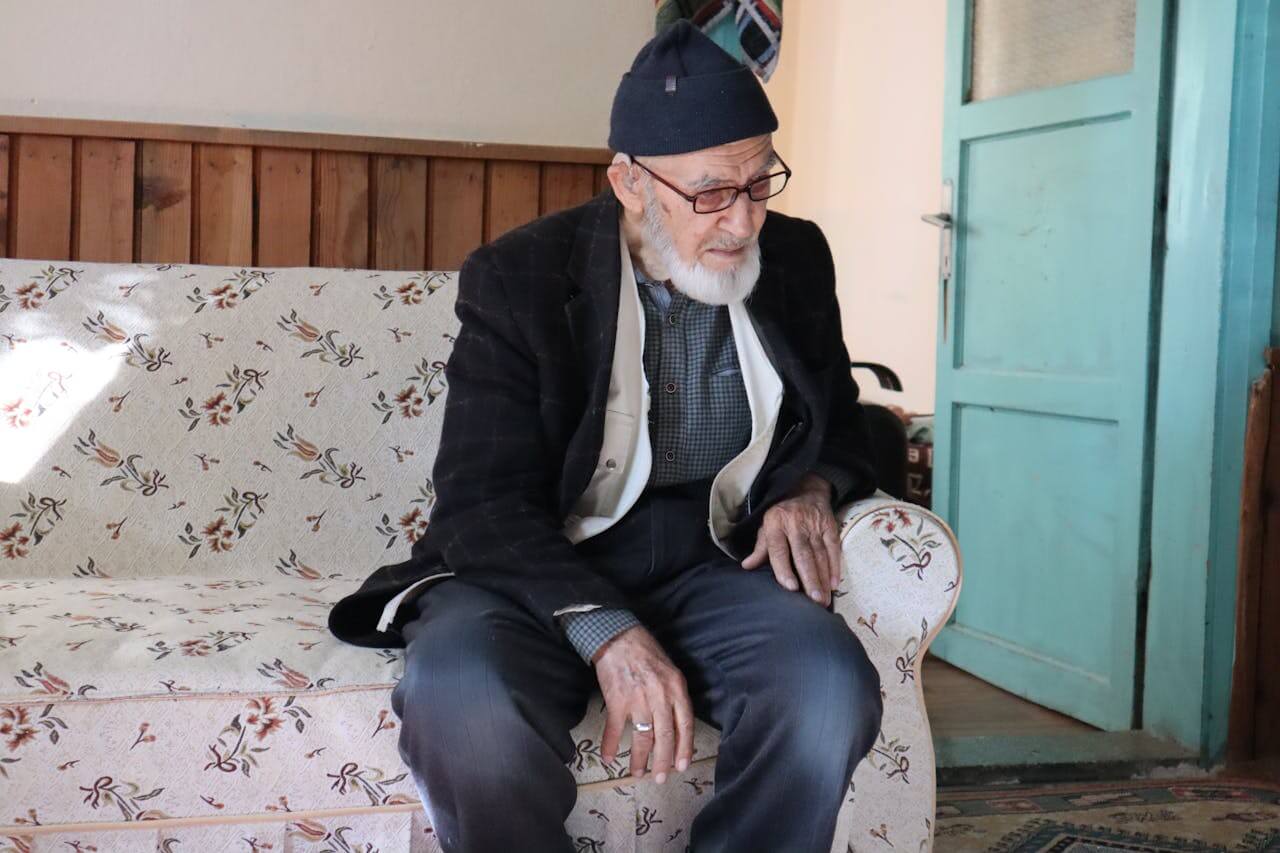
Winter blues, and why they feel worse as you get older

In a Nutshell
Winter can feel more emotionally demanding as you get older, with less sunlight, shifting routines, and life changes all playing a role.
Feelings of isolation, grief, and low energy can build during colder months, and in some cases develop into Seasonal Affective Disorder (SAD).
Small routine and environmental adjustments can help, especially when they support connection, comfort, and gentle daily activities.
Winter has a way of changing the tone of everyday life. The light lingers a little less, the air feels sharper, and familiar routines can begin to shift without much notice. You might find yourself moving more slowly through the day, or hesitating before stepping outside, even for things you usually enjoy.
As you get older, these seasonal changes can feel more personal. It’s not just about the weather anymore but more about how your days are structured, who you see, how your body feels, and what your home life looks like when everything quietens down.
You may notice a dip in motivation, a sense of disconnection, or a lingering heaviness that’s hard to explain. For some, it passes. For others, it stays, settling into the background of daily life. These experiences are often grouped under the term “winter blues”, though in some cases they reflect something more persistent, such as Seasonal Affective Disorder or SAD.
Understanding winter blues and SAD
Winter blues tend to sit on the milder end of the spectrum. You may feel a little flatter, less motivated, or more tired than usual. These changes can come and go, and you might still find ways to stay engaged with daily life.
SAD is different in its intensity and duration. It can affect how you think, how you sleep, and how you experience everyday activities. The shift is often gradual. You might not notice it at first, but over time, the low mood becomes more persistent.
One of the key factors is reduced sunlight. Light helps regulate your internal body clock and influences chemicals in the brain that affect mood. When daylight becomes limited, these systems can fall out of balance. That’s why winter can feel darker not just outside but also internally.
As you get older, it can be harder to recognise these changes for what they are. Fatigue, disrupted sleep, or reduced activity can be attributed to ageing itself. This can make it more difficult to separate what’s seasonal from what’s part of everyday life.
Why winter can feel heavier with age
Less light, more time indoors
You may find yourself spending more time inside during winter, especially if the weather feels uncomfortable or your mobility has changed over time. Even small reductions in daylight exposure can have an impact.
Natural light supports your mood, your sleep, and your overall sense of alertness. Without enough of it, days can begin to feel slower and less defined. You might wake feeling unrefreshed or find it harder to wind down at night.
A growing sense of isolation
Winter can make the world feel smaller. Social plans may become less frequent, and casual interactions can drop away. If you live alone, the silence can feel more noticeable.
In Australia, around one in four people aged 65 and over experience social isolation. During colder months, this can deepen. It’s not always about being alone in a physical sense. Sometimes it’s the feeling of being disconnected, of not having someone to share small, everyday moments with.
Grief that becomes more visible
Winter has a way of slowing things down. With fewer distractions, thoughts and memories can come into sharper focus. If you’ve experienced loss, this time of year can bring those feelings closer to the surface.
Grief might relate to the loss of a partner, a close friend, or even a pet who was part of your daily life. Pet grief, in particular, can feel deeply personal and is often underestimated by others.
Shifts in routine and purpose
Daily structure often changes in winter. You might go out less, move less, and see fewer people. Over time, this can affect your sense of purpose.
When your days lose their usual rhythm, it can be harder to feel motivated. Sleep patterns may shift, meals may become irregular, and the day can feel less anchored.
Noticeable effects on one’s physical health
Cold weather can make certain health conditions more noticeable. You might feel stiffer, more fatigued, or less able to move comfortably. This can influence how often you leave the house or engage in activities.
There’s also an emotional side to this. When your body feels different, it can affect your confidence and independence. Small frustrations can build over time, especially if they limit the things you enjoy.
Finding comfort in everyday moments
Winter doesn’t need to feel overwhelming. Often, it’s the small, consistent moments that help create a sense of steadiness.
Gentle ways to lift your mood
You don’t need to make big changes to support your wellbeing. Simple activities can help you stay connected to a sense of enjoyment.
A short walk during the day, even if it’s just around the block, can help break up long stretches indoors. Creative activities like knitting, writing, or listening to music can provide a quiet sense of satisfaction. Sitting near a window with natural light can shift how a room feels.
The key is to keep things manageable. It’s not about filling every moment, but about creating small points of engagement throughout the day.
Creating a home that feels supportive
Your environment can have a strong influence on your mood. A space that feels warm and inviting can make a noticeable difference.
Soft lighting, comfortable seating, and familiar objects can all contribute to a sense of ease. A warm drink, a favourite blanket, or even a particular scent can create moments of comfort.
These details might seem small, but they can shape how you experience your day.
Staying connected in meaningful ways
Connection remains one of the most important supports for emotional wellbeing. Even brief interactions can shift how a day feels.
You might reach out to a friend for a phone call, join a local group, or take part in a shared activity. If getting out feels difficult, staying in touch through regular conversations can still provide a sense of connection.
Reaching out can sometimes feel like effort, especially when your energy is low. Starting small can help. A short message or a simple check-in can open the door.
When winter blues need more support
There are times when seasonal changes move beyond what feels manageable. If a low mood becomes persistent, or if you notice changes in sleep, appetite, or motivation that don’t ease, it may be a sign of something more.
SAD can affect how you function day to day. It’s not simply a passing phase, and recognising this can be an important step in seeking the right support.
Final thoughts
Winter blues can feel more pronounced as you get older, influenced by changes in light, connection, and life experience. These feelings are real and worth paying attention to.
If the season feels heavier than usual, speaking with a therapist can offer support and a way to better understand what you’re going through. With the right support, it’s possible to move through winter with a greater sense of steadiness and care.



Essential Reading
Frequently Asked Questions
Winter blues are usually mild and temporary, while SAD tends to last longer and affect daily functioning. If your mood stays low most days or you lose interest in usual activities, it may be worth seeking support.
Yes, a lack of meaningful connection can have a strong impact on your emotional wellbeing. Even small, regular interactions can help you feel more grounded and supported.
Reduced sunlight can disrupt your body clock and lower serotonin levels, which help regulate mood. This can leave you feeling more tired, flat, or unmotivated during winter.
Yes, quieter and slower days can bring thoughts and memories closer to the surface. Feelings of loss and grief may feel more present during this time.
Spending time in natural light, keeping a gentle routine, and doing activities you enjoy can help lift your mood. Staying connected with others, even in simple ways, can also make your days feel less heavy.
Recommended Therapists Available Now
NSW
Psychologist
Hi, I'm Niki. As a registered psychologist, my passion is walking alongside women during life's biggest, most challenging transitions. Whether you are navigating identity...More
QLD
Psychologist
I am a psychologist with general registration, who houses an array of life and professional experience in counselling and psychology across the lifespan. I am a massive e...More
NSW
Clinical Psychologist
Hi, I am a clinical psychologist who takes a special interest in supporting women with stress, anxiety disorders, depression, trauma, burnout, pre-menstrual dysphoric dis...More



Talked acknowledges the Traditional Owners of the lands on which we operate and pays respect to Elders past, present, and emerging.
We welcome and respect people of all backgrounds, genders, sexualities, abilities, and cultures.
Telehealth Services
Are you a Psychologist? Join our team
If you are in crisis or experiencing suicidal or homicidal thoughts, please contact 000 or access these resources for emergency assistance.




Get the Talked App