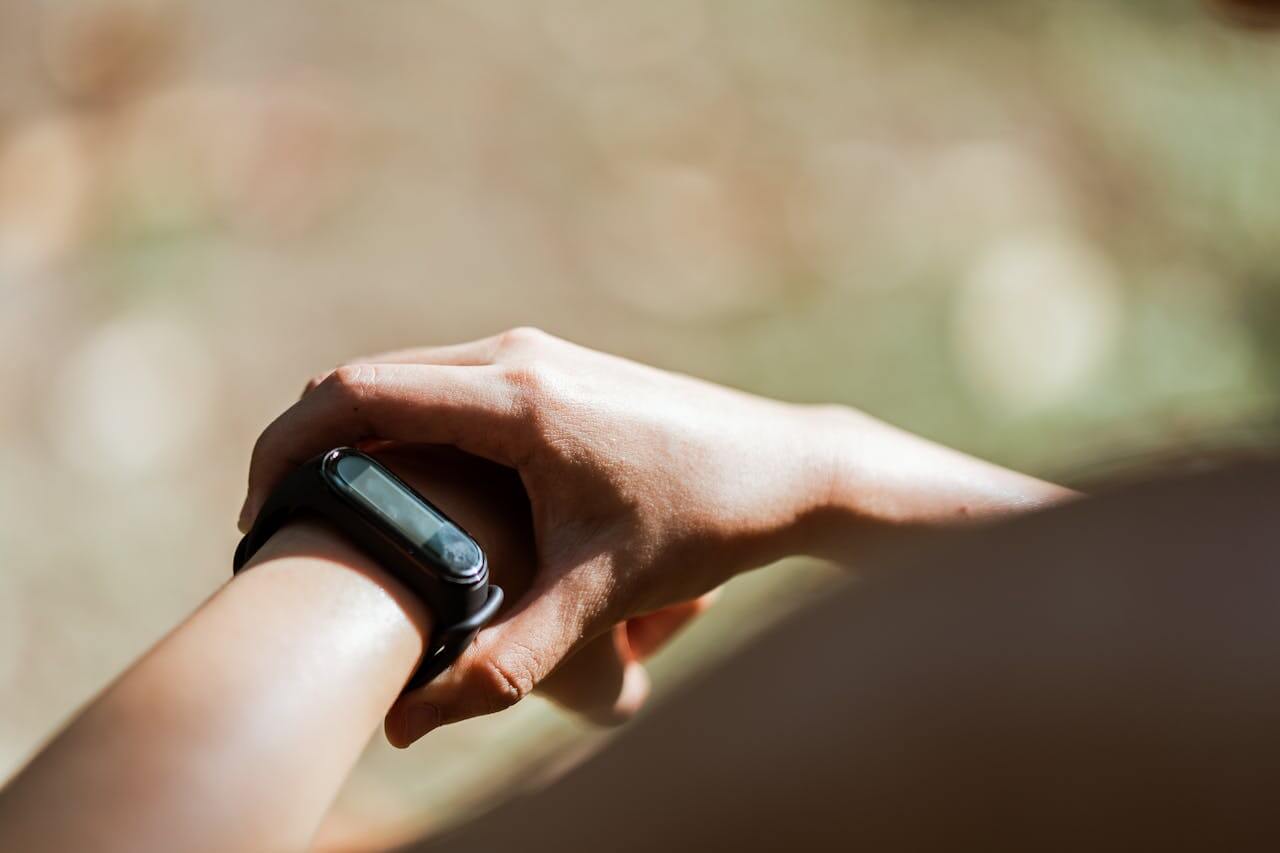
Are wearable devices helping or hurting your child's focus?

In a Nutshell
OECD research shows that frequent in-class device use is linked to lower academic performance and reduced concentration when not used for learning.
School bans in Australia, including Victoria’s extension to smartwatches, are based on evidence that limiting devices can improve focus and classroom engagement.
Wearable devices can support safety, but frequent connectivity may increase distraction and reduce opportunities for developing interpersonal skills.
For many Australian parents, wearable devices have felt like a sensible compromise. They offer a way to stay connected with your child without handing over a fully featured smartphone. A quick message, a location check, a sense of reassurance during the school day.
Yet schools are starting to take a firmer stance. In Victoria, policies that once focused on mobile phones are now extending to include smartwatches. The aim is simple: reduce distractions and support learning.
Still, it’s understandable if you’re unsure. Are these bans backed by research, or are they an overcorrection? And what do wearable devices actually mean for your child’s attention, socialisation skills, and overall wellbeing?
The growing presence of wearable devices
Wearable technology has become part of everyday life for many families. Smartwatches designed for children are often marketed as safe, practical, and limited in comparison to smartphones. For younger children especially, they can feel like a manageable first step into digital independence.
From a parent’s perspective, the appeal is easy to understand. Being able to check in, even briefly, can offer comfort during busy school days. For children, the experience is a little different. Notifications, messages, and interactive features can be engaging, sometimes even hard to ignore.
What’s worth noting is that even simple devices can shape habits. A quick glance at the wrist might seem harmless, yet repeated throughout the day, it can quietly interrupt focus and shift attention away from what’s happening in the moment.
Understanding attention in a hyperconnected world
Attention isn’t just about avoiding obvious distractions. It involves staying engaged, processing information, and returning to a task after an interruption. For children, these skills are still developing, which makes them more vulnerable to anything that competes for their focus.
Wearable devices introduce a subtle but persistent form of interruption. A vibration or alert may seem minor, yet it can quickly pull attention away from learning.
Research highlights how these interruptions affect outcomes in real classrooms. Findings from the OECD’s Programme for International Student Assessment (PISA) show that students who are frequently distracted by digital devices tend to perform worse academically. Schools that limit device use also report more focused learning environments.
Even brief disruptions can have a lingering effect. When attention is interrupted, children need time to re-engage with the task, and repeated interruptions can lead to more fragmented learning. Over time, this can reduce the depth of understanding and make it harder to build sustained concentration.
In a hyperconnected environment, the challenge isn’t only the device itself, but the expectation of constant availability. Wearable devices reinforce this by making notifications immediate and easy to check, which can make sustained focus feel less familiar for children.
The “always on” experience
One of the less obvious effects of wearable devices is the sense of constant connection they create. Children may feel that they’re always reachable, always expected to respond, and never fully offline.
This can influence how they approach learning. Instead of settling into a task, part of their attention may remain on the possibility of a message arriving. Over time, this can make sustained focus feel unfamiliar, or even uncomfortable.
There’s also an emotional layer to consider. Some children may feel reassured by being able to contact a parent at any time. Others may become more anxious, particularly if they grow used to frequent check-ins.
Children’s mental health and device use
Conversations about technology often focus on learning outcomes, but children’s mental health is just as important.
Wearable devices can support a sense of safety, especially for younger children. At the same time, they can encourage patterns that make it harder for children to develop independence and confidence in managing situations on their own.
When a child becomes used to immediate reassurance, even small challenges can feel more difficult. This doesn’t mean that communication is harmful, but it does suggest that how and when it happens matters.
Sleep is another important factor. If wearable devices are used beyond school hours, they can contribute to overstimulation in the evening. And poor sleep is closely linked to reduced attention, mood changes, and difficulty with emotional regulation.
Why schools are extending bans
The move to include wearable devices in school bans reflects a broader shift in how educators are thinking about technology.
Rather than focusing on specific devices, schools are considering the overall learning environment. The goal is to reduce distractions, create consistency, and support students in developing focus.
Victoria has taken a leading role in this approach, extending restrictions to smartwatches as well as phones. The intention is not to reject technology entirely, but to ensure that it doesn’t interfere with learning or social development during the school day.
There are also practical considerations. Devices that allow messaging or internet access can create opportunities for cyberbullying, even within school hours. Limiting access can help reduce these risks.
But, do bans actually work?
It’s a reasonable question, and one many parents are asking.
Research on mobile phone bans in schools suggests that they can lead to improved academic outcomes, particularly for students who struggle with focus. Teachers often report calmer classrooms, greater engagement, and fewer behavioural disruptions.
When it comes to wearable devices, the research is still emerging. However, given that they share many features with smartphones, it’s likely that similar patterns will apply.
That said, bans are not a complete solution. They address what happens at school, but they don’t shape how children use technology outside the classroom. This is where parents play a crucial role.
Final thoughts
The question of whether wearable devices help or hinder your child’s focus doesn’t have a single answer. It depends on how the devices are used, the individual child, and the environment they’re in.
What we do know is that constant connectivity can make it harder for children to sustain attention, engage deeply in learning, and develop strong interpersonal skills. School bans, including those in Victoria, reflect a growing body of evidence suggesting that fewer distractions support better outcomes.
At the same time, wearable devices can offer genuine benefits when used thoughtfully. The goal is not to eliminate them entirely but to create conditions where your child can focus, connect, and grow without unnecessary interruption.
Get Support
Get help for your child and book a free video consultation with one of our therapists

Essential Reading about Child or Adolescent
Child Therapy Available Now
NSW
Psychologist
Hi, I'm Flavia, a trauma-informed and culturally responsive psychologist dedicated to supporting children, young people, adults, and families from diverse cultural backgr...More



Talked acknowledges the Traditional Owners of the lands on which we operate and pays respect to Elders past, present, and emerging.
We welcome and respect people of all backgrounds, genders, sexualities, abilities, and cultures.
Telehealth Services
Are you a Psychologist? Join our team
If you are in crisis or experiencing suicidal or homicidal thoughts, please contact 000 or access these resources for emergency assistance.



Get the Talked App