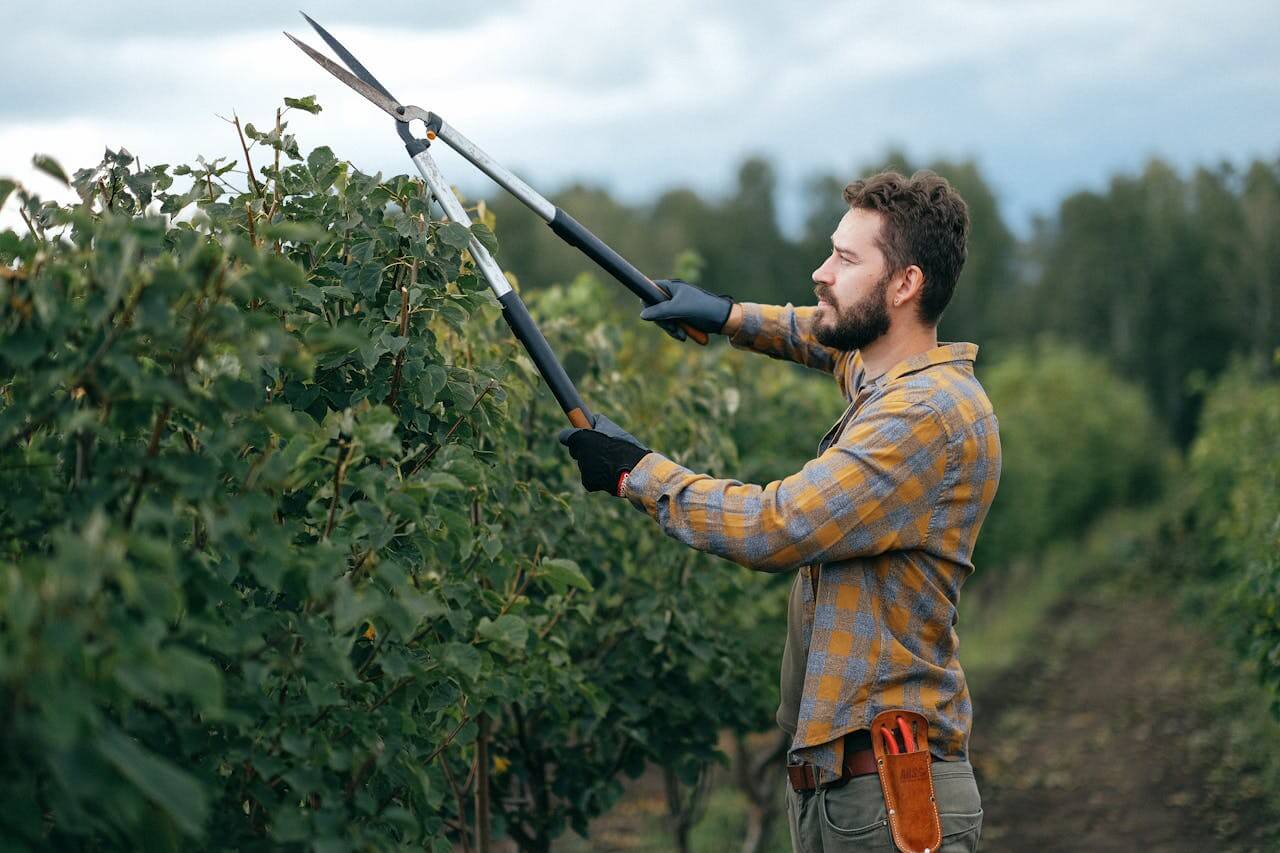
Wellbeing on the land: Healthy habits while living on acreage

If you’ve chosen to live on acreage, it’s likely that the lifestyle appeals to something important in you. You might value open space, connection to nature, less noise, or simply the freedom to live at your own pace. For many Australians, the shift away from urban or suburban living brings a welcome sense of calm and control.
But living on the land also comes with a different set of daily demands. You probably find that the jobs are always there. Whether it’s fence repairs, managing livestock, checking tanks, or mowing paddocks, the work can start early and stretch until nightfall.
Over time, these routines become deeply embedded. Some might help you stay grounded, but others might be quietly taking a toll on your mental health.
In this article, you’ll find a practical way to check in with your routines and wellbeing. By taking a closer look at how your habits are shaping your emotional and mental health, you can decide what’s working, what’s not, and what small steps might help you feel more supported.
Why your routines matter
Living on a rural property can give you a strong sense of autonomy and achievement. The work is tangible, the space is yours to shape, and there’s satisfaction in caring for your land. But without clear boundaries between tasks and rest, the days can start to blur.
You might wake up already thinking about what needs to be fixed. You might work through lunch without meaning to. By the time evening arrives, it may feel easier to keep going than to stop. What starts as dedication can become exhaustion, especially if you’re working alone or with limited support.
Mental health challenges are just as common in rural areas as in cities, but your experience may be shaped by different pressures. In more remote regions, people often have less access to healthcare services, face higher levels of social isolation, and may be less likely to reach out for help.
According to the National Rural Health Alliance, rates of psychological distress rise as remoteness increases, and suicide rates are significantly higher outside major cities.
That’s why it’s so important to take your daily habits seriously. Your routine isn’t just how you get through the day. It’s also how you care for your mind, your relationships and your sense of self.
Reflecting on your habits
The way you live your days influences how you feel, how connected you are to others, and how easily you can rest and recover. Here are five areas to think about when reviewing your routines, inspired by the pillars of positive psychology:
1. Purpose
Ask yourself whether your daily tasks give you a sense of meaning. When you feed animals, repair gear, or maintain your land, do you feel like you’re doing something that matters?
That kind of purpose can be protective for mental health. But if you’re finding that your days feel like a long to-do list with no personal reward, that could be a sign you’re running on autopilot.
Try this: Identify one task that still feels meaningful to you, and one that doesn’t. Think about whether you can shift the balance.
Related: Break free from survival mode
2. Rhythm
A healthy rhythm means your day includes effort and rest, focus and downtime. On a property, it’s easy for work to expand and take over everything else. Without a clear stopping point, your body and mind can lose the signals that it’s time to slow down.
Try this: Choose one clear time each day to stop all work, and stick to it. Let that be your signal to shift into rest.
3. Connection
Living on acreage can mean you’re physically isolated, especially if neighbours are far or you spend long hours working alone. But social connection is a mental health necessity. If you’re not having regular, meaningful contact with people, you may start to feel flat or withdrawn without realising it.
Try this: Reach out to someone this week, even for a quick phone call or a coffee. Schedule it like any other task.
Related: How to make friends as an adult
4. Boundaries
It’s common for people on acreage to feel like there’s no boundary between their work and their home life. This isn’t bothersome for some people, but it can be damaging and exhausting for others. If your mind stays in work mode almost all the time, restorative rest becomes harder to find.
Try this: Create one small physical space where no work is allowed, even if it’s just a chair on the porch or a corner of the living room.
5. Rest and variation
When every day includes the same tasks, you may lose the chance to recover mentally. Rest isn’t only about sleep. It’s also about doing something different. That could be play, quiet time, creative work, or anything that gives your brain and body a break.
Try this: Pick one enjoyable, non-work activity this week that’s just for you. Block out time for it like you would for an essential job.
Making small, sustainable changes
You don’t need a total overhaul. In fact, trying to change everything at once is likely to backfire. Instead, focus on small, specific adjustments that you can build into your existing routine.
Start by choosing one habit to shift. Maybe you decide to have lunch away from your work zone each day. Or perhaps you set a rule that your phone goes on silent after 7pm. Choose something realistic, then repeat it until it starts to feel natural.
Use cues from your environment to anchor the new habit. For example, “After I put away the tools, I’ll make a cup of tea and sit outside for ten minutes.” These small changes create space in your day, and that space supports your well-being.
Pay attention to how you feel after a week or two. You might notice a bit more energy, patience, or clarity. If things still feel heavy or stuck, that’s also useful information. It may be time to get some support.
When to reach out for support
If you’ve been feeling low, overwhelmed, disconnected or exhausted, know that these are signs worth listening to. You might have told yourself to push through or that everyone who lives on the land feels like this sometimes. But your mental health deserves the same attention as any other part of your life.
Professional support is available, including through telehealth if you’re in a remote or regional area. A psychologist or counsellor can help you unpack the routines that are holding you back and guide you toward changes that actually work for your context.



Essential Reading
Recommended Therapists Available Now
QLD
Psychologist
I am a psychologist with general registration, who houses an array of life and professional experience in counselling and psychology across the lifespan. I am a massive e...More
NSW
Psychologist
I'm a registered psychologist who aims to create a warm, collaborative space where you can talk things through openly, feel genuinely heard, and not worry about being jud...More
VIC
Psychologist
Hi, I'm an experienced Psychologist with a passion for helping people function at their best. I provide evidence-based psychological treatment to help people traverse and...More



Talked acknowledges the Traditional Owners of the lands on which we operate and pays respect to Elders past, present, and emerging.
We welcome and respect people of all backgrounds, genders, sexualities, abilities, and cultures.
Telehealth Services
Are you a Psychologist? Join our team
If you are in crisis or experiencing suicidal or homicidal thoughts, please contact 000 or access these resources for emergency assistance.



Get the Talked App