Simple ways to celebrate World Kindness Day

World Kindness Day is held every year on 13th November. It’s a nice, gentle reminder that kindness matters!
For many adults, the day is a chance to reconnect with values that support emotional wellbeing, friendship, and connection. It’s also an opportunity to involve children in simple acts that teach them how to be thoughtful, generous, and caring.
You don’t need to plan something big. Even small gestures (like donating items you no longer use or spending time with a rescued animal) can have lasting meaning.
This guide offers simple and thoughtful ways you and your family can celebrate World Kindness Day, right from your home, your community, or your workplace.
About World Kindness Day
World Kindness Day was started in 1998 by the World Kindness Movement to encourage individuals and communities to prioritise empathy, generosity, and respect.
It’s grown into a global observance, with countries like Australia using it to promote inclusion, wellbeing, and stronger social ties.
Kindness is powerful. It can improve your mental health, reduce stress, and increase feelings of connection and belonging. And when you celebrate kindness with your family, you’re not only building stronger relationships but also modelling emotional intelligence and empathy for children. These are skills that last a lifetime.
Easy ways to practice kindness at home
Your home is one of the best places to start. You don’t need to do much or spend anything, although these are welcome too if you want.
1. Give yourself some kindness
Self-kindness often gets overlooked, but it’s just as important as kindness to others. Here are some things you could try:
Writing yourself a short affirmation to start the day, such as "I'm allowed to take breaks" or "I am doing my best."
Taking 20 minutes to enjoy something that helps you slow down, like reading, stretching, or walking outside.
Noticing your inner voice. If it's critical, ask yourself how you’d speak to a friend in the same situation, and then use that tone with yourself.
Saying no when you're overwhelmed. Setting boundaries is a meaningful act of self-care.
2. Show support to the people around you
Kindness within your home creates a ripple effect. Simple acts can go a long way! Here are some simple things to consider:
Preparing a meal for someone in your household.
Taking on a small task or chore for a family member.
Leaving a handwritten note to show your appreciation.
Helping a neighbour by bringing in their bin or checking in with them.
3. Donate what you don’t need
Let go of items that no longer serve you and let them benefit someone else. You could:
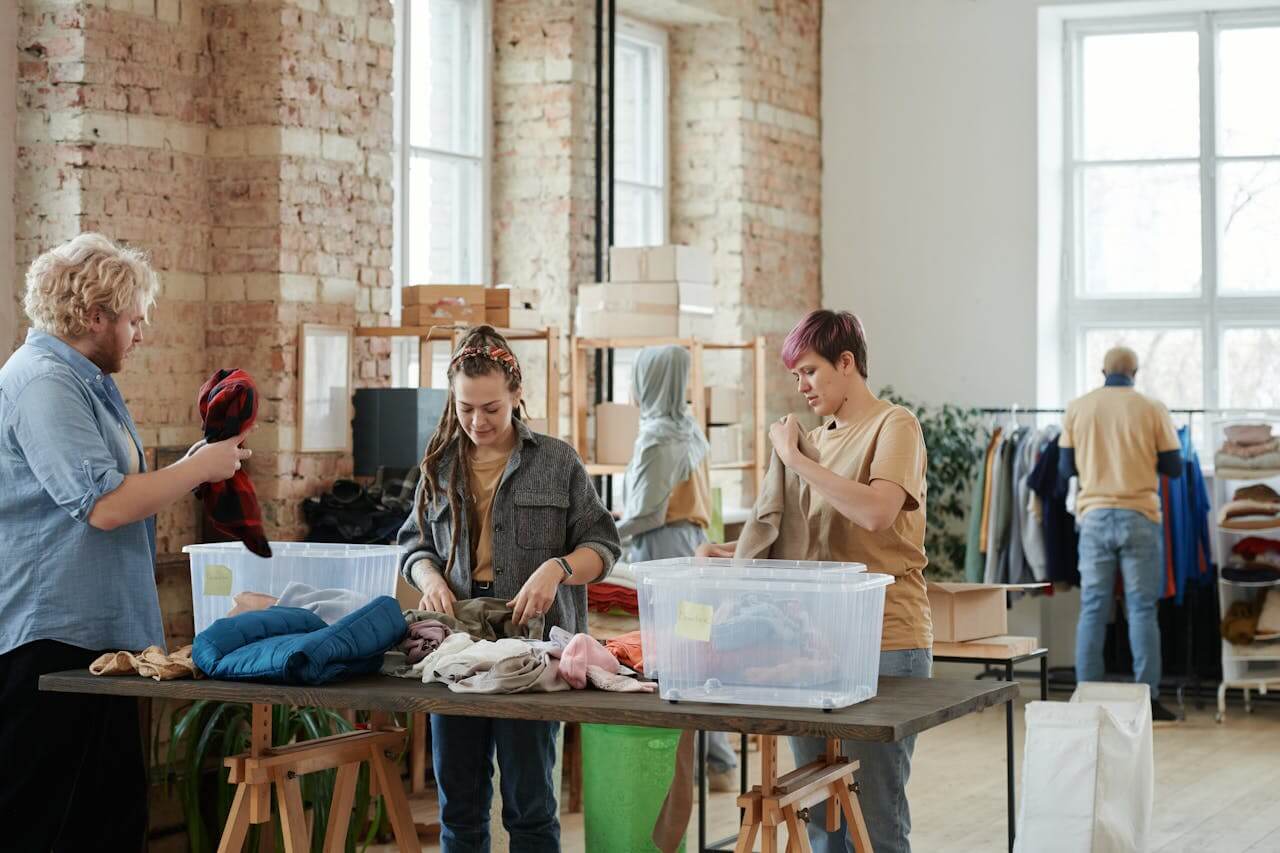
Go through your wardrobe or storage and set aside clothes, books, or toys for donation.
Involve your children by asking them to choose one toy or item to give to another child.
Support a local organisation that accepts household items or clothing.
Celebrate kindness with your children
Children learn through doing. By including them in acts of kindness, you’re helping them build emotional awareness and empathy.
1. Make it creative
Kindness can be fun and interactive. You might:
Help your child create kindness cards with drawings or simple messages like "You are important" or "Thank you for being kind."
Build a kindness tree together. Each time your child does something kind, they can add a “leaf” with the action written on it.
Use storytime to introduce the concept of kindness. Choose books that show characters being thoughtful or generous, and talk about what made those actions kind.
2. Involve them in helping others
Even young children can make a difference. You can try:
Asking them to help you pack food or supplies for a donation drive.
Visiting a local animal shelter to drop off treats, food, or blankets.
Cleaning up a local park together or picking up rubbish on your walk.
Baking something simple and delivering it to a neighbour.
3. Talk about how kindness feels
To make it more meaningful, process the “kindness experience” with your kids. At dinner or bedtime, ask your children:
What’s one kind thing you did today?
What’s one kind thing someone did for you?
How do you feel when you serve others?
These questions help them reflect and reinforce positive behaviours.
Seek volunteering opportunities
Volunteering is one of the most rewarding ways to give back. Not only are you connecting with others, but you’re also strengthening the community ties.
1. Find a local opportunity
Volunteering doesn’t have to be a long-term commitment. A few hours can make a difference. For example, there might be opportunities to:
Help at a community garden, local charity, or food bank.
Offer your time to a school event, fundraiser, or clean-up day.
Volunteer online by mentoring someone or offering administrative support to a charity.
2. Show kindness to animals
Kindness extends beyond humans. And if you’re a family of animal lovers, celebrating the day with animals can be a fun, memorable experience. You and your family could:
Donate old towels, food, or toys to an animal rescue organisation.
Spend extra time walking or playing with your pet.
Foster a pet from a shelter if your circumstances allow.
Final thoughts
World Kindness Day is a meaningful invitation to pause, act with care, and reflect on what really matters. Whether you’re donating items, lending your time, helping animals, or being gentler with yourself, every gesture contributes to a more compassionate world.
Kindness strengthens families, builds emotional safety for children, and supports mental wellbeing for individuals. When you practise kindness with your family, you’re not simply helping others, but you’re also creating a home where empathy, support, and connection can flourish.
And of course, self-kindness is super important too. If you or someone in your family is feeling emotionally flat or overwhelmed, speaking with a therapist can be a powerful act of self-care.



Essential Reading
Recommended Therapists Available Now
NSW
Psychologist
I am a Registered Psychologist who provides psychological therapy for adults experiencing anxiety disorders, depression, adjustment disorder, trauma, stress, and workplac...More
QLD
Psychologist
I'm a registered psychologist, bringing a grounded, disciplined, and real-world perspective to my work with clients. I am dedicated to building strong, trusting therapeut...More
SA
Clinical Psychologist
Hi, I'm Celine, and I'm all about helping you navigate your challenges coping with stress, trauma, anxiety, relationships, grief, or life transitions. I use evidence-base...More



Talked acknowledges the Traditional Owners of the lands on which we operate and pays respect to Elders past, present, and emerging.
We welcome and respect people of all backgrounds, genders, sexualities, abilities, and cultures.
Telehealth Services
Are you a Psychologist? Join our team
If you are in crisis or experiencing suicidal or homicidal thoughts, please contact 000 or access these resources for emergency assistance.



Get the Talked App