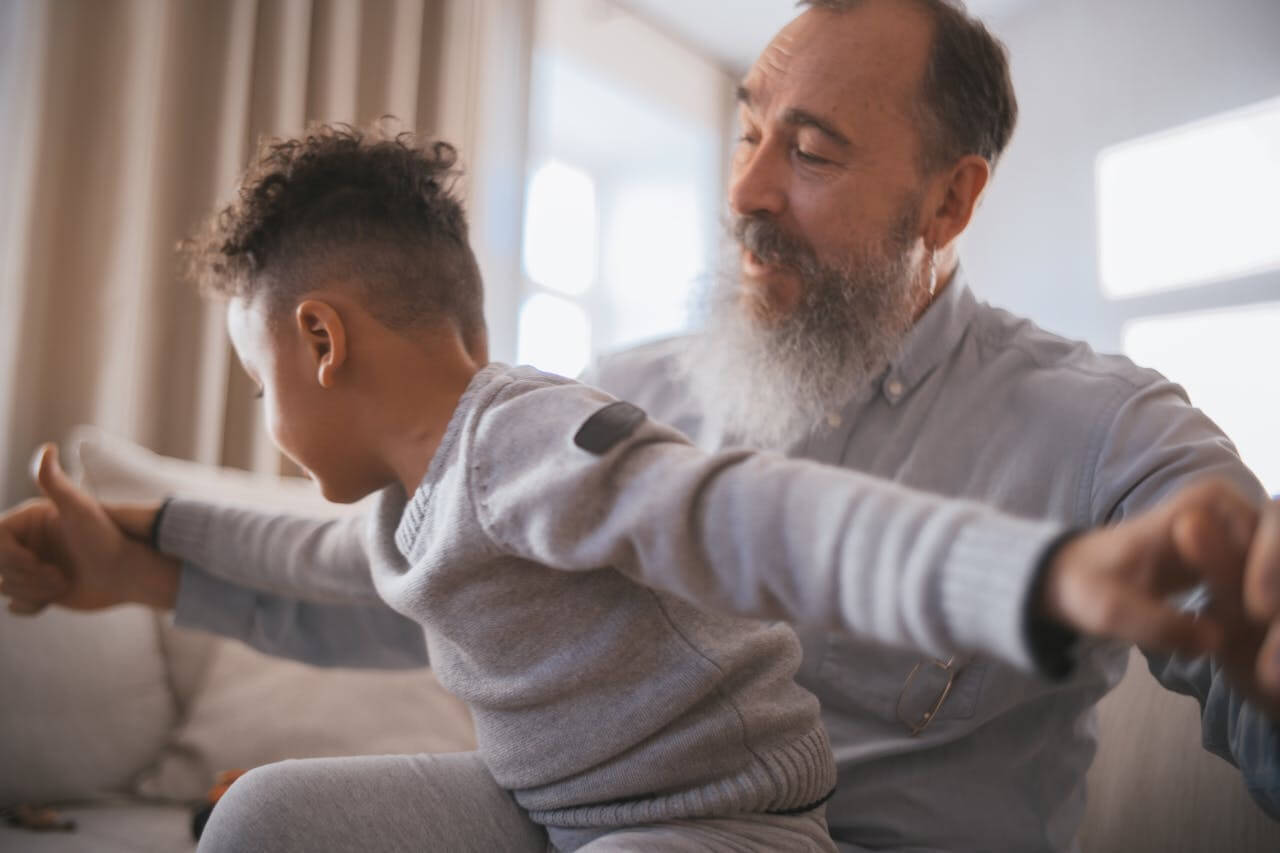
Why loneliness hits men harder after 60

In a Nutshell
Loneliness in men over 60 often builds slowly as retirement, loss, and reduced day-to-day interaction change how connected life feels.
Many older men have smaller, less emotionally open support networks, which can make it harder to stay connected or reach out when things feel off.
Factors like seasonal changes, health changes, and reduced mobility can further limit social contact, making existing loneliness feel more noticeable and harder to shift.
Loneliness in later life rarely arrives all at once. For many men over 60, it develops quietly. Days feel a little longer, conversations become less frequent, and the sense of purpose that once came from work, family roles, or routine begins to shift.
These changes are a natural part of ageing, but they can still feel significant. While loneliness affects people across all age groups, there are clear reasons it often runs deeper for older men. Understanding these patterns can help you recognise what’s happening, whether it’s for yourself or someone close to you.
Retirement can disrupt one’s sense of identity and connections
For many men, work has been a central source of identity, structure, and social interaction for decades. It’s where conversations happen naturally and where a sense of contribution is reinforced.
When work stops, it’s not just the schedule that changes. There can be a loss of daily connection and recognition. Without something to replace that structure, it’s easy for social contact to reduce over time, sometimes without being fully noticed.
Social circles often become smaller
As people get older, social networks tend to narrow. Friends move, health changes limit mobility, and opportunities to meet others become less frequent.
Older men are more likely to rely heavily on a partner for emotional support. But when that relationship changes, whether through illness, separation, or loss, there may not be a broader network to lean on. This can make loneliness feel more immediate and harder to shift.
Related: How to make friends as an adult
Limited emotional expression can be hard to shift
Many men grew up in environments where expressing vulnerability wasn’t encouraged. Talking openly about loneliness or asking for support can feel unfamiliar, even when the need is there.
Instead, loneliness may show up in quieter ways. You might notice withdrawal, lower motivation, irritability, or changes in sleep. These shifts are easy to overlook, especially when they develop gradually.
Losses and life changes tend to build up
Later life often brings multiple changes at once. The loss of a partner, friends, or siblings can have a cumulative impact.
Even when family is present, these long-standing relationships hold a unique place. Their absence can leave a gap that’s difficult to fill. At the same time, these experiences can change how someone sees their role and place in the world, which can create or deepen their sense of disconnection.
Gloomy weather can intensify feelings of isolation
Seasonal changes can have a noticeable effect on mood and connection. During winter, for example, shorter days and colder weather tend to reduce activity and social interaction, leading to intense winter blues.
Less sunlight can affect energy levels, sleep, and overall mood. People often spend more time indoors, and regular routines such as walking, community activities, or casual catch-ups may fall away.
For older men who are already feeling isolated, winter can heighten that sense of disconnection. It’s often the gradual reduction in movement and interaction that has the biggest impact.
Health and mobility issues can limit opportunities
Changes in physical health can make it harder to stay socially connected. Reduced mobility, hearing changes, or ongoing health conditions can affect confidence in going out or engaging with others.
Even small barriers can lead to less contact over time. If getting out feels difficult, it becomes easier to stay home. Over weeks or months, this can lead to fewer invitations and less spontaneous interaction.
How to maintain connections in later life?
Addressing loneliness doesn’t require large or complex steps. What matters most is consistency and meaning. For older men, this might include:
Building simple routines, such as daily walks or regular outings
Staying connected to familiar groups or communities
Creating low-pressure ways to spend time together, such as shared meals or short visits
Encouraging conversations that feel natural, rather than forced
For family members, being physically present is a big help. Even a short visit can provide reassurance and a sense of continuity. These moments support emotional wellbeing in ways that are often understated but deeply felt.
Final thoughts
Loneliness after 60 is rarely the result of a single event. It tends to reflect a series of gradual changes that affect connection, identity, and daily life.
Recognising these patterns early creates an opportunity to respond with care and intention. With the right support and consistent connection, it’s possible to rebuild a sense of belonging that feels steady and meaningful.
Get Support
Overcome your depression and book a free video consultation with one of our therapists



Essential Reading about Depression
Frequently Asked Questions
It can become more common as life changes, but it isn’t something you have to simply accept. Staying connected in small, consistent ways can make a real difference.
For many, expressing emotions hasn’t always come easily. It can take time and the right setting to feel comfortable opening up.
Yes, it can. Shorter days and less time outdoors often reduce social contact and can affect mood.
You might notice less communication, lower energy, or a loss of interest in usual activities. These changes are often gradual, so they can be easy to miss.
Simple, regular contact goes a long way. A call, a visit, or shared time together can feel more meaningful than big gestures.
Keeping active can help, but feeling connected matters more. Even small moments of genuine interaction can have a strong impact.
Depression Therapists Available Now
VIC
Psychologist
Hello, Im Rachna, a Registered Psychologist with extensive experience providing psychological services across vocational, NDIS and community settings. I have worked with ...More
QLD
Psychologist
As a psychologist, I value each client as an individual with unique life experiences, skills, and talents. I love helping my clients clarify what makes life rich, full, a...More
NSW
Psychologist
I am a Registered Psychologist who provides psychological therapy for adults experiencing anxiety disorders, depression, adjustment disorder, trauma, stress, and workplac...More



Talked acknowledges the Traditional Owners of the lands on which we operate and pays respect to Elders past, present, and emerging.
We welcome and respect people of all backgrounds, genders, sexualities, abilities, and cultures.
Telehealth Services
Are you a Psychologist? Join our team
If you are in crisis or experiencing suicidal or homicidal thoughts, please contact 000 or access these resources for emergency assistance.




Get the Talked App