Wilderness therapy: Does it really work?

In a Nutshell
Wilderness therapy blends counselling, time outdoors, physical activity, and guided reflection.
Some people experience meaningful benefits, but research findings are mixed and program quality varies widely.
Safety, clinical oversight, and follow-up support often matter more than the remote setting itself.
No single approach works for everyone, and guided therapy with a psychologist may be a better fit for many adults.
You can look fine on the outside and still feel worn down underneath. Many adults keep up with work, family life, and everyday responsibilities while feeling tense, flat, or far from settled.
It’s one reason wilderness therapy has caught people’s attention. The idea of stepping away from pressure and spending time in nature, with professional support, can sound deeply appealing when life feels noisy or draining.
Wilderness therapy combines mental health care with outdoor experiences. Some people describe it as deeply helpful. Others raise valid concerns about weak regulation, inconsistent evidence, and poor practice in some programs. The truth sits somewhere in the middle. It may be helpful for some people, but it is not the right fit for everyone, and no single approach works for all.
If you’re looking for more calm, clarity, or connection, it helps to understand what wilderness therapy can offer, where it may fall short, and what other options may suit you better.
What exactly is wilderness therapy?
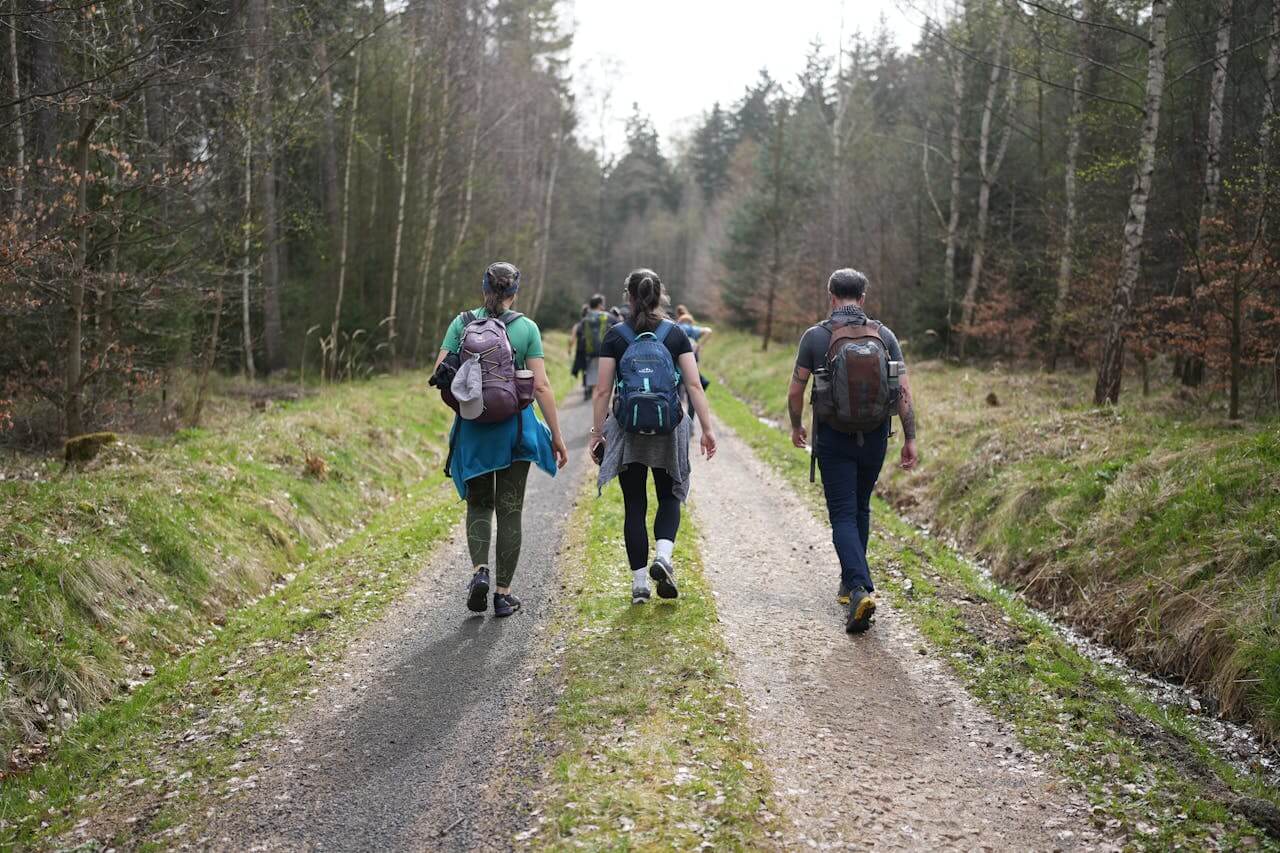
Wilderness therapy refers to structured therapeutic programs delivered in outdoor environments such as bushland, forests, mountains, or rural retreat settings. Programs vary considerably, but many combine counselling with practical outdoor living and reflective activities.
You might encounter elements such as individual therapy sessions, group discussions, walking or hiking, mindfulness practices, shared routines, and time away from digital distractions.
Some services are clinically led and evidence-informed. Others operate more like personal growth retreats. That distinction matters, especially if you’re seeking support for anxiety, trauma, burnout, grief, or depression.
Historically, wilderness therapy has often been associated with adolescents. Increasingly, adults are exploring similar programs when they feel emotionally depleted, stuck, or disconnected from what matters to them.
Why nature can feel restorative
You may have noticed that your breathing changes outdoors. Your shoulders soften. Thoughts slow down enough for you to hear yourself think.
There is growing evidence that natural environments can support mental wellbeing. A 2021 systematic review found that outdoor nature-based interventions were associated with improvements in mental health outcomes for adults, including reduced stress and better mood.
Researchers suggest several reasons for this effect. Natural settings may reduce sensory overload, encourage movement, support sleep rhythms through daylight exposure, and offer a gentler style of attention than the constant stimulation of modern life.
If you feel mentally crowded or permanently switched on, that shift can feel significant.
Related: Self-care on a budget
What research says about wilderness therapy
The research on wilderness therapy is promising in some areas, but it is still developing.
Some studies have linked wilderness programs with improvements in self-esteem, emotional regulation, resilience, confidence, and social connection. A review by the Washington State Institute for Public Policy found that wilderness therapy programs were associated with positive outcomes in some studies, while noting significant limitations in study quality, consistency, and long-term evidence.
A mixed-methods Norwegian study found that adolescents in a wilderness therapy program reported improvements in emotional regulation, self-image, confidence, and aspects of social functioning, although the study design limits firm causal conclusions.
At the same time, it can be difficult for researchers to isolate what is driving those improvements. Is it the outdoor setting itself? Is it skilled therapy? Is it being removed from daily pressures for a period of time? Is it movement, routine, or group support?
Often, it's likely to be a combination of factors. That is why bold claims should be approached carefully.
Why some people find it helpful
If you’ve been feeling emotionally flat, overstretched, or trapped in the same patterns, wilderness therapy may offer something that ordinary routines no longer do: space.
With fewer distractions, many people find they can notice their thoughts and feelings more clearly. Emotions that have been buried under busyness may begin to surface. Habits that once felt automatic can become easier to recognise.
There can also be a confidence boost in meeting practical challenges, adapting to unfamiliar conditions, and discovering that you’re more capable than stress has led you to believe.
For some people, the group element matters just as much. Feeling understood by others who are also struggling can soften shame and reduce isolation.
Why it may not suit everyone
Wilderness therapy is not the right fit for every person or every stage of life. If you need consistent psychiatric care, close medical monitoring, or intensive trauma treatment, an immersive outdoor program may not be the safest or most effective first step.
If you live with panic symptoms, mobility limitations, chronic pain, or certain health conditions, some programs may also be poorly matched to your needs.
Cost is another practical factor. Many programs are expensive, and higher prices do not always reflect higher quality care.
If something feels rushed, vague, or overly persuasive, it is wise to pause and ask more questions.
The value of guided therapy with a psychologist
For many adults, working with a psychologist can offer a steadier and more personalised path forward. Guided therapy creates space to understand why you’re feeling empty, anxious, disconnected, or stuck, rather than only seeking temporary relief from symptoms.
A psychologist can help you identify patterns that may be contributing to distress, build practical coping skills, process difficult experiences, and make changes that fit your real life. You can also review progress over time and adjust the approach as your needs change.
For some people, wilderness therapy may complement this work. For others, regular therapy with a psychologist may be the more effective and sustainable option. No single treatment suits everyone, and thoughtful, individualised care often leads to better outcomes.
The most important factor: Quality of the program
“Wilderness therapy” is a broad label, not one standardised treatment model. Two programs may use the same language while offering very different standards of care.
Strong programs usually have licensed mental health professionals, clear safety procedures, informed consent, realistic expectations, and thoughtful follow-up support.
Poor programs may rely on sweeping promises, pressure tactics, inadequate staffing, or punitive methods. Investigations into parts of the troubled teen industry have documented serious allegations of abuse and neglect connected with some wilderness-style programs. Those histories deserve careful attention.
If you are considering a program, thorough screening is essential.
Questions worth asking before enrolling
Before making a decision, it helps to ask direct and practical questions.
Question | Why it matters |
|---|---|
Who provides the therapy, and what are their qualifications? | Clinical training affects safety and quality of care |
Is participation fully voluntary? | Genuine consent is fundamental |
What concerns do you treat, and what is outside your scope? | Ethical providers know their limits |
What medical and emergency systems are in place? | Outdoor settings require planning |
How do you approach trauma-sensitive care? | Emotional safety matters as much as physical safety |
What support is offered after the program ends? | Lasting change often depends on integration |
How are outcomes measured? | Marketing language alone is not evidence |
Does the benefit last?
Sometimes it does, and sometimes it doesn’t.
Many people feel better during retreats or immersive programs because they are temporarily removed from the pressures that wore them down. The more meaningful question is what happens when you return home to work demands, family stress, and familiar habits.
Long-term improvement is more likely when the experience is followed by ongoing therapy, healthier boundaries, regular movement, better rest, and supportive relationships.
Without that bridge back into daily life, even a powerful experience can fade quickly. If you want a lasting sense of rest or peace, you may not need wilderness therapy. Some adults are drawn to wilderness therapy when what they truly need is recovery from chronic stress.
A less intensive path may be just as helpful, and often easier to sustain. You might benefit from walk-and-talk therapy in a local park, regular bushwalking, mindfulness in nature, a restorative weekend retreat, or consistent counselling focused on stress and emotional regulation.
For many people, healing comes through steady repetition rather than dramatic change. Small shifts practised consistently often have more lasting value than intense experiences.
So, does wilderness therapy really work?
It can, particularly when it combines skilled therapy, thoughtful structure, safety, movement, and the calming effects of nature. For some adults, it becomes an important turning point.
Still, it is not a guaranteed answer, and it should not be sold as one. The landscape alone does not heal people. What often helps is the blend of care, reflection, challenge, connection, and meaningful changes that continue once you return home.
If you’re seeking peace, there are many possible paths. Wilderness therapy is one of them, not the only one.
Final thoughts
If you feel worn down, unsettled, or disconnected from yourself, it may be worth listening to what that exhaustion is asking for. Sometimes the need is adventure. Sometimes it is rest. Sometimes it is skilled therapeutic support and a slower, steadier way of living.
Wilderness therapy can be valuable for the right person in the right setting. It can also be more than you need.
Speaking with a qualified psychologist or therapist can help you work out what kind of support best fits your circumstances, values, and goals, and help you build forms of peace that last.



Essential Reading
Recommended Therapists Available Now
NSW
Psychologist
I'm a registered psychologist who aims to create a warm, collaborative space where you can talk things through openly, feel genuinely heard, and not worry about being jud...More
VIC
Psychologist
Hi, I am Melissa, a trauma-informed psychologist with experience supporting individuals through mental health challenges, trauma, and managing neurodiversity. My approach...More
WA
Psychologist
Hi, Im Tim, a registered psychologist with more than 10 years of experience in mental health. I work with adults experiencing a range of concerns, including anxiety, depr...More



Talked acknowledges the Traditional Owners of the lands on which we operate and pays respect to Elders past, present, and emerging.
We welcome and respect people of all backgrounds, genders, sexualities, abilities, and cultures.
Telehealth Services
Are you a Psychologist? Join our team
If you are in crisis or experiencing suicidal or homicidal thoughts, please contact 000 or access these resources for emergency assistance.



Get the Talked App