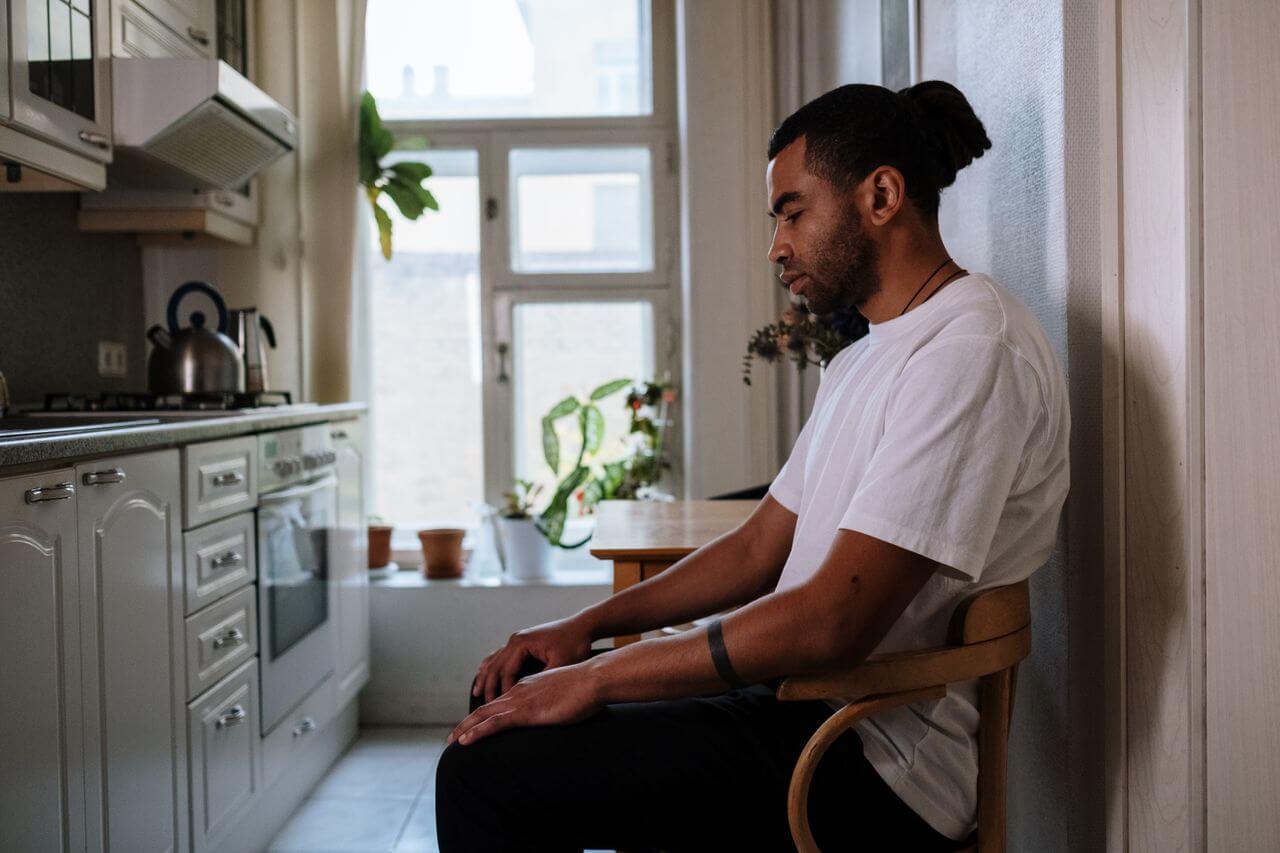
Does loneliness cause fatigue?

In a Nutshell
Loneliness is associated with fatigue, depression, poor sleep, and poorer physical and mental health, although research hasn’t established that it directly causes fatigue in every person.
Depression can feel intensely physical. Tiredness, sleep problems, headaches, muscle pain, appetite changes, and feeling run down are recognised symptoms.
Exhaustion can also reduce your desire or capacity to socialise, which can leave you feeling more disconnected over time.
Ongoing fatigue should be discussed with a GP because many physical and psychological conditions can cause similar symptoms.
Sometimes the exhaustion comes first.
Getting out of bed feels harder. Work takes more concentration than it used to. Plans get cancelled because conversation sounds tiring rather than enjoyable. You sleep but wake without much energy, and ordinary jobs start requiring more effort.
Only later does another part of your life come into focus: you haven’t felt genuinely close to anyone for some time.
Loneliness is often treated as an emotional experience, yet the effects of prolonged social disconnection can extend into physical health. Research has found links between loneliness, fatigue, depressive symptoms, and pain. Australian health authorities also recognise associations between prolonged loneliness or social isolation and problems such as poor sleep, headaches, body aches, and poorer mental health.
The evidence doesn’t point to a simple equation where loneliness automatically produces exhaustion. Fatigue has many possible causes, and several can be present at once. But if you’ve been feeling physically depleted at the same time as becoming more withdrawn or disconnected, it makes sense to consider both your physical and emotional health.
Can loneliness cause fatigue?
Research supports a relationship between loneliness and fatigue, but scientists are still working out exactly how the two interact.
A longitudinal study by Jaremka and colleagues followed two distinct groups: cancer survivors and controls in one study, and older adults who were either caring for a spouse with dementia or were non-caregivers in another. Across both groups, people reporting greater loneliness also had higher levels of pain, depression, and fatigue, as well as larger increases in this combined symptom cluster over time.
The researchers described loneliness as a risk factor for this cluster of symptoms. Because the studies were observational, however, they can’t prove that loneliness itself directly caused each person's fatigue.
That distinction matters, particularly if you’re trying to understand months of exhaustion. Loneliness could be one contributor among several rather than the whole explanation.
It also helps to separate loneliness from social isolation. The Australian Institute of Health and Welfare (AIHW) describes social isolation as having objectively few relationships or infrequent social contact. Loneliness refers to the distressing feeling that your social connections aren’t as frequent, close, or satisfying as you want them to be.
So, you can have people around you and still feel lonely. You can also spend a lot of time alone without experiencing loneliness.
Both experiences are relatively common in Australia. According to the latest HILDA data reported by AIHW, around 15% of Australians aged 15 and over experienced loneliness in 2024. Another Australian survey using a different measure found that 40% of people experienced loneliness at least some of the time during the previous week in April 2025. The figures measure loneliness differently and shouldn’t be directly compared, but each points to social disconnection as a significant health and wellbeing issue.
Why loneliness can leave you feeling drained
There probably isn’t one pathway connecting loneliness with low energy. Sleep, stress, mood, behaviour, and physical health can all overlap.
Loneliness can coincide with poorer sleep
Healthdirect lists trouble sleeping among the physical health effects associated with prolonged loneliness and social isolation.
Poor sleep doesn’t always mean lying awake for most of the night. You could be waking repeatedly, sleeping at irregular times, or spending a full night in bed and still feeling unrefreshed the next morning.
Your routine can change as your social life changes too. Evenings spent alone can stretch later than intended. One more episode turns into three, or half an hour on your phone turns into two hours. If there are few reasons to get up at a consistent time, bedtime and waking time can gradually shift.
Once sleep deteriorates, daytime fatigue, poor concentration, and irritability often become harder to manage.
It’s important not to assume that sleep explains the whole relationship between loneliness and fatigue. In the Jaremka longitudinal study, sleep quality didn’t account for the association between loneliness and the combined symptom cluster. Loneliness and exhaustion appear to have a more complicated relationship than poor sleep alone.
Carrying stress by yourself can be exhausting
Good relationships provide more than company. They give you people to talk problems through with, ask for practical support, laugh with, or simply sit beside after a difficult day.
When those connections are missing, more of the emotional load stays with you.
A work problem follows you home because there’s nobody you feel comfortable calling. A decision keeps circling in your head because you haven’t had the chance to talk it through. Small frustrations accumulate instead of being shared, reassessed, or released.
Stress itself can have physical effects. Healthdirect lists exhaustion, sleep changes, headaches, muscle tension, appetite changes, and difficulty concentrating among possible signs of excessive stress.
If loneliness and stress are happening together, physical tiredness can become part of the experience rather than something separate from it.
Your everyday rhythm can start to change
Social connection creates structure in ways that aren’t always obvious until it disappears.
Lunch with a colleague gets you away from your desk. A weekend plan gets you out of the house. Cooking for someone else gives dinner a time and a purpose. An exercise class, school pickup, family visit, or regular coffee can anchor parts of the week.
With fewer points of connection, routines can loosen. Sleep and meal times drift. Physical activity drops. More time is spent sitting at home. If you’re already tired, it becomes easier to turn down the next invitation as well.
The result can become circular: exhaustion makes social contact harder, and reduced social contact leaves more room for loneliness to grow.
Depression can feel physical, not just emotional
Depression can affect far more than mood. It can change your sleep, appetite, concentration, motivation, and energy. Healthdirect lists daytime tiredness, headaches, muscle pain, sleep problems, appetite changes, and feeling run down among possible physical symptoms of depression.
For some people, exhaustion is the symptom that stands out most. Getting through work, replying to messages, cooking, or seeing friends can start to feel harder than usual. Depression can also show up as irritability, numbness, loss of interest, or poor concentration rather than obvious sadness.
If fatigue has become persistent alongside withdrawal, low mood, or loss of interest in things you normally enjoy, it’s worth discussing both the physical and emotional symptoms with a GP or therapist.
Fatigue can have many other causes
Loneliness can be part of the picture without explaining everything.
Healthdirect lists a wide range of possible causes of fatigue, including poor sleep, stress, anxiety, depression, grief, iron deficiency or anaemia, insomnia, obstructive sleep apnoea, an underactive thyroid, diabetes, infections, heart conditions, kidney disease, some autoimmune conditions, medicines, and lifestyle factors.
Several factors can exist together. Someone experiencing depression can also have iron deficiency. A person dealing with loneliness could have sleep apnoea. Stress can worsen fatigue caused by an unrelated physical condition.
That’s why persistent exhaustion shouldn't automatically be labelled as emotional.
Speak with a GP if fatigue is ongoing, worsening, concerning you, or interfering with ordinary activities. A GP can ask about your symptoms, sleep, mental health, medications, diet, and recent changes, and decide if further investigation is appropriate.
Mention the loneliness too. Physical and emotional symptoms belong in the same conversation.
Final thoughts
Feeling exhausted and feeling lonely can be connected. Research has found associations between loneliness, fatigue, pain, depression, and poorer health, while prolonged loneliness and social isolation are also linked with sleep difficulties and other physical symptoms.
At the same time, fatigue has many possible causes. Persistent exhaustion needs to be looked at broadly rather than attributed to loneliness without further assessment.
If you've felt drained for weeks, normal activities are becoming harder, or your energy is getting worse, speak with a GP. Tell them about the physical exhaustion and any changes in your sleep, mood, or social life.
And if you've found yourself increasingly disconnected, withdrawn, or depressed, consider talking with a therapist. You don't have to know exactly where the tiredness ends and the loneliness begins. You can start by describing what's been happening and work from there.
Get Support
Overcome your depression and book a free video consultation with one of our therapists



Essential Reading about Depression
Depression Therapists Available Now
VIC
Psychologist
Hello, Im Rachna, a Registered Psychologist with extensive experience providing psychological services across vocational, NDIS and community settings. I have worked with ...More
NSW
Psychologist
I'm a registered psychologist who aims to create a warm, collaborative space where you can talk things through openly, feel genuinely heard, and not worry about being jud...More
WA
Psychologist
Hi, Im Tim, a registered psychologist with more than 10 years of experience in mental health. I work with adults experiencing a range of concerns, including anxiety, depr...More



Talked acknowledges the Traditional Owners of the lands on which we operate and pays respect to Elders past, present, and emerging.
We welcome and respect people of all backgrounds, genders, sexualities, abilities, and cultures.
Telehealth Services
Are you a Psychologist? Join our team
If you are in crisis or experiencing suicidal or homicidal thoughts, please contact 000 or access these resources for emergency assistance.




Get the Talked App