Mental health support for the people behind the plan
Disability support is demanding work. Give your support workers, allied health staff and coordinators fast, confidential access to real Australian psychologists.
Make an Enquiry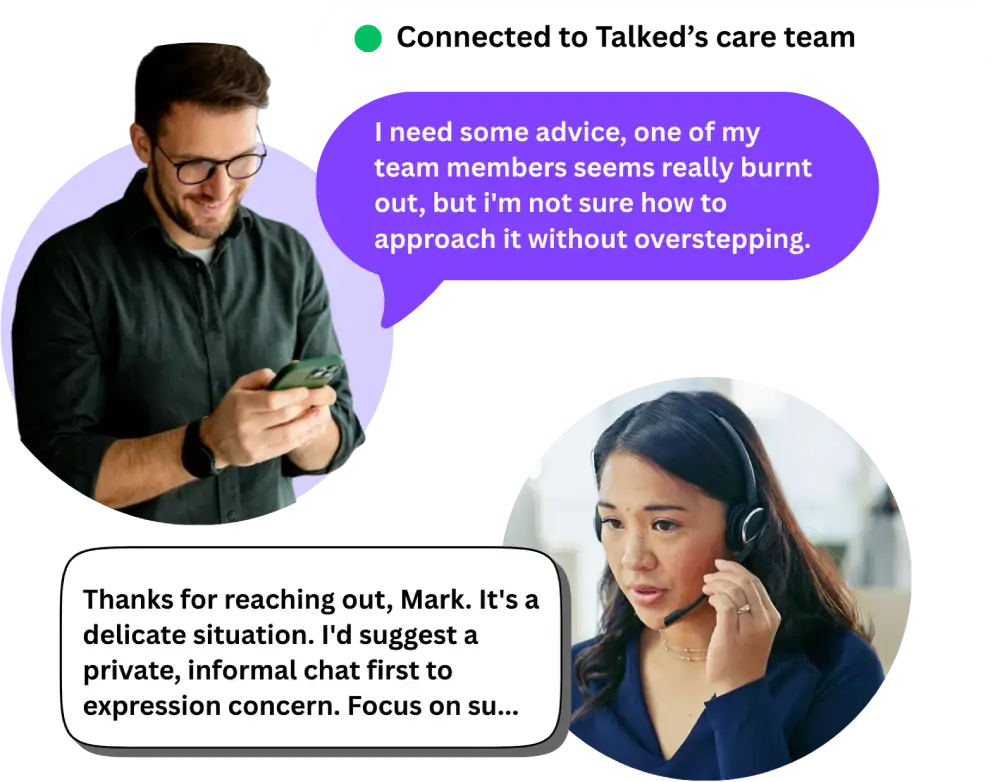
We support many NDIS and disability providers



Your people give everything to participants. The numbers show what it is costing them.
of disability support workers report frequent or constant burnout, in a 2025 HSU survey of almost 500 Australian workers
have at least thought about leaving the profession, and 55% have considered leaving in the past year
annual turnover for casual and permanent disability staff, the highest permanent turnover since the census began, against 14% across the wider workforce
A workforce running on empty
Short staffing, emotional load and pay that does not match the responsibility are pushing good people out of disability support faster than the sector can replace them. When a worker leaves, participants lose continuity and you wear the cost of finding and training someone new. Giving your team genuine mental health support is one of the clearest ways to keep them well and keep them with you.
49% of disability support workers say they often or always lack enough staff for safe, quality care, and 86% say it happens at least sometimes. That pressure lands on the people still on shift.
Replacing staff who leave costs the disability and allied health sector between $80 and $190 million a year in onboarding alone, including an estimated $40.5 million in hidden costs across the 361 organisations in the 2024 census.
Three out of four NDIS workers are employed part-time or casually, which fuels insecure conditions, burnout and high turnover across a 325,000-strong workforce.
Support that fits shift work and community runs
Disability support does not happen at a desk, and it rarely keeps office hours. Your team can reach a qualified Australian counsellor any hour of the day or night, by phone, video or message, straight from the Talked app, between shifts, on the road between clients or after a long day.
There is no waitlist and no clinic to get to. Whether someone works in supported accommodation, a day program or out in the community, help travels with them on the phone already in their pocket.
Talk to an expert
There after the hard shifts
Supporting people through behaviours of concern, medical emergencies, restrictive practices or the loss of a participant takes a real toll, and it builds up quietly over time. Talked gives your team trauma-trained clinicians who can support workers quickly after a serious incident, on site or remotely.
Your coordinators and team leaders get clear guidance through the days that follow, plus a confidential, de-identified summary and practical next steps so no one is left to carry it alone.
Get a quote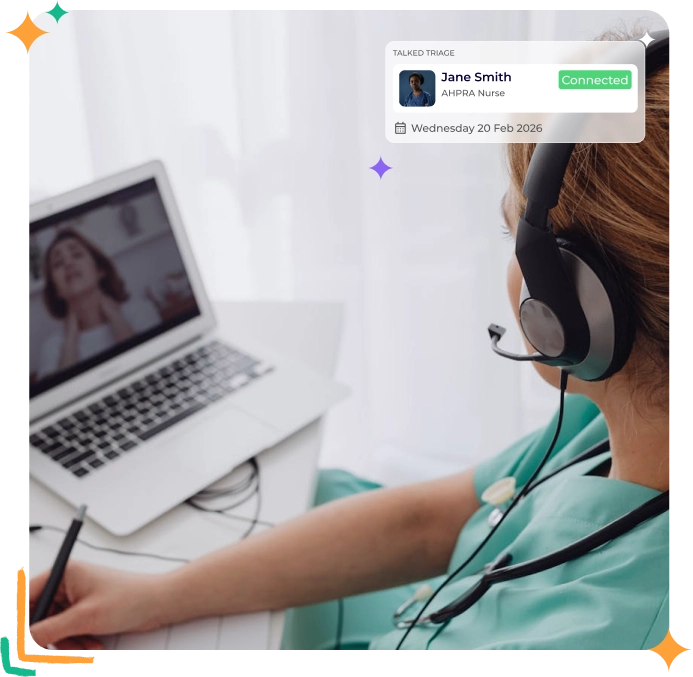
Protect your people and your duty of care
Managing psychosocial hazards is now a legal duty for Australian employers, and in disability support the risks are real: emotional load, lone work, exposure to trauma and chronic understaffing. Talked helps you spot where pressure is building, support your people early and show you are taking it seriously.
- Confidential, de-identified utilisation and psychosocial risk reporting
- Mental health and manager training built for support and allied health teams
- A clear audit trail that you are acting on your duty of care and worker wellbeing

NDIS and disability support EAP, common questions
Because the work is heavy and the workforce is stretched thin. In a 2025 HSU survey of almost 500 Australian disability support workers, 62% reported frequent or constant burnout, 91% had at least thought about leaving the profession, and 55% had considered leaving in the past year. Nearly half said they often or always lack enough staff for safe, quality care. That kind of pressure does not stay at work, and it is a big part of why turnover in the sector reached 24% for casual staff and 16% for permanent staff, the highest permanent turnover since the census began. An EAP gives your people a private, professional place to offload before that pressure tips into burnout or a resignation.
It protects the things that keep your service running: continuity for participants, a stable roster and your registration standing. When a worker burns out and leaves, you lose hard-won knowledge of a participant's needs and you wear the cost of replacing them. Onboarding to replace staff who leave costs the disability and allied health sector between $80 and $190 million a year. By giving your team fast, high-quality support before things reach crisis, you keep experienced people on the floor, reduce avoidable turnover and show participants and their families the consistency they rely on.
Confidentiality is what makes people feel safe enough to reach out, so it is built into everything. What a worker discusses with their counsellor stays between them and the clinician. As the employer you never see who booked a session or what was raised, only anonymous, aggregate reporting on how the service is being used and where pressure is building. The single exception is a serious risk to someone's safety, which clinicians are legally required to act on. That privacy is exactly why workers use the service, and your reporting still gives you the insight to manage psychosocial risk across the team.
Yes, and that is the point. Three out of four NDIS workers are part-time or casual, often juggling shifts across more than one provider, so anything that needs a GP referral or office-hours appointment simply does not get used. With Talked there is no waitlist and no clinic visit. Your people get a simple link or code, book in a few minutes, choose a counsellor and connect by phone, video or message at a time that works, including outside standard hours. Support that is easy to reach is support that gets used.
You get clear, confidential reporting that never identifies an individual. That includes how many of your people are using the service, broad themes coming through such as stress, sleep, grief or burnout, and where psychosocial risk looks highest across teams or sites. Over time you can see uptake climb and connect it to what matters to your organisation, like lower turnover, fewer unplanned absences and steadier rosters. It gives your leaders something concrete to act on and a record that you are meeting your duty of care.
You choose the plan and Talked tailors the number of sessions to suit your team and budget. Most plans include a set number of free sessions per worker each year, which is enough to work through the issues that come up in support work, from a tough shift to ongoing stress at home. If someone needs longer-term or more specialised care, their counsellor helps them find the right next step. Talk to us and we will size a plan to your workforce, whether that is a single home or a team spread across the state.
How Talked supports your people
References
- Health Services Union (HSU) survey of almost 500 disability support workers, reported by Health Services Daily (2025)
- National Disability Services (NDS), State of the Disability Sector: Workforce Census Report 2024
- NDIS Review, "Building a more responsive and supportive workforce" (2023)
- Australian Institute of Health and Welfare (AIHW), Australia's welfare: Welfare workforce (2024)
Figures reflect publicly reported Australian data and are indicative. Talked is not affiliated with the organisations listed.
Look after the people who look after others



Talked acknowledges the Traditional Owners of the lands on which we operate and pays respect to Elders past, present, and emerging.
We welcome and respect people of all backgrounds, genders, sexualities, abilities, and cultures.
If you are in crisis or experiencing suicidal or homicidal thoughts, please contact 000 or access these resources for emergency assistance.



Get the Talked App