Mental health support for tourism teams
Give your people fast access to high quality Australian psychologists and counsellors, with no waitlists, so you can meet your duty of care through every peak season.
Make an Enquiry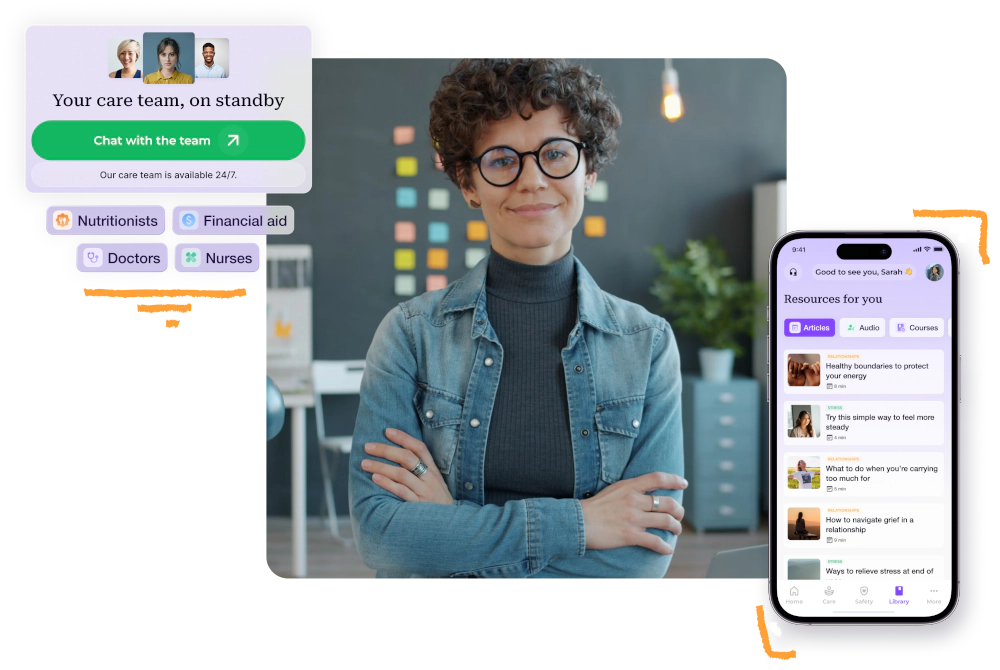
Trusted by teams across Australian workplaces





















The pressure on tourism and hospitality teams is real, and it lands hardest on the people who hold things together
of accommodation and food services workers had a mental health condition in a single year, the highest of any industry surveyed
of accommodation and food services employees are casual, the highest rate of any Australian industry, with no paid leave to fall back on
of casual workers in retail and hospitality had a mental health condition in a year, the hardest-hit group in the sector
How Talked supports your tourism and hospitality team
Long shifts, seasonal swings, casual rosters and constant guest contact put a particular kind of strain on tourism and hospitality staff. Talked gives your people somewhere real to turn, and gives you a clear way to show your team their wellbeing matters.
of South Australian hospitality workers reported a mental health condition in the past 12 months, more than double the rate in the general population
of accommodation and food services workplaces have formal policies against bullying, harassment and discrimination, leaving many staff without a clear path to support
is the median time lost for a serious mental health claim in Australia, almost 5 times the median across all serious claims of 7.4 weeks
Fast, high quality care that fits a roster, not a 9 to 5
Hospitality and tourism work does not stop at five o'clock, so neither does the support your team needs. Talked connects your people with registered Australian psychologists and counsellors quickly, with no waitlists, including evenings and weekends to suit shift workers.
Whether someone is a chef carrying the kitchen through peak season or a tour guide managing back-to-back groups, they can book a session at a time that works around their roster and be talking to a qualified clinician within days, not months.
Talk to an expert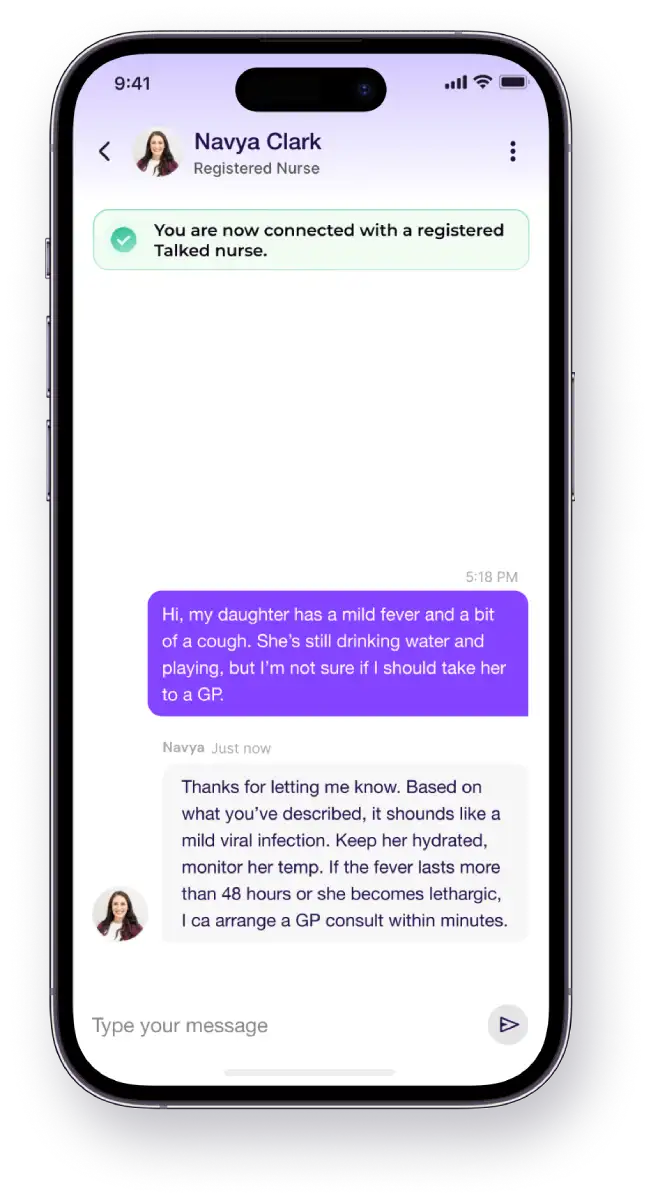
Built for a casual and seasonal workforce
More of your workforce is casual and seasonal than in almost any other industry, which means many of your people have no paid leave to fall back on when life gets hard. Talked gives every team member, casual or permanent, the same access to real clinical support.
This matters most through the swings tourism knows well: the rush of peak season, the quiet and uncertainty of the off season, and the turnover that comes with both.
Get a quote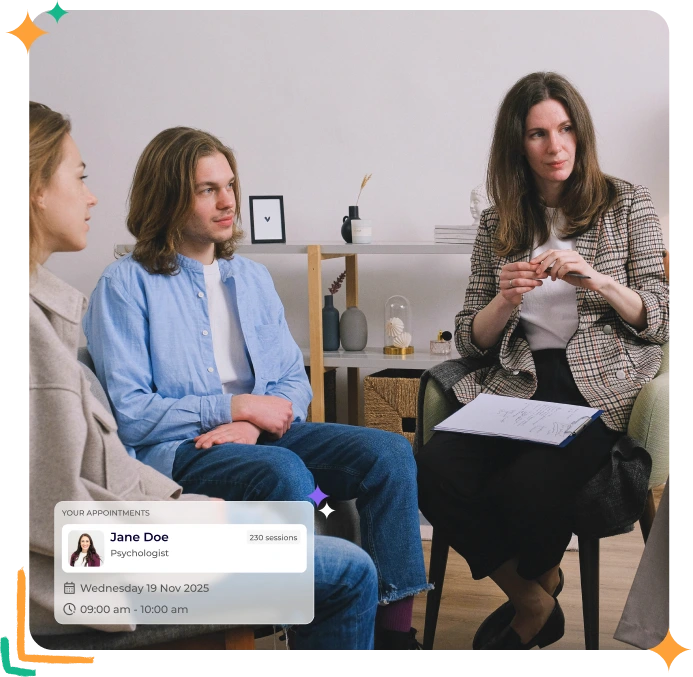
Helps you meet duty of care and psychosocial obligations
Australian work health and safety law now treats psychosocial hazards as seriously as physical ones, and tourism roles carry plenty: long hours, customer aggression, isolation in remote and regional sites, and pressure during peak periods.
Talked gives you a clear, documented support pathway for your team, which matters in a sector where fewer than half of accommodation and food services workplaces have formal policies against bullying, harassment and discrimination.
- A confidential support channel for staff facing guest aggression, harassment or burnout
- Coverage for remote and regional sites where local services are thin
- Reporting that shows your duty of care is active, not just on paper

Tourism and hospitality EAP questions, answered for buyers
When a busy season hits or a guest incident knocks someone around, support that arrives in days instead of months keeps your people functioning and on the floor. Talked helps you hold onto experienced staff in roles that are expensive and slow to fill, reduces the time lost to mental health struggles, and gives managers a clear place to send a team member who is struggling. You also get de-identified reporting so you can see usage and themes across your workforce and act on what you learn, while keeping every individual's privacy intact.
Everything your people discuss with their Talked clinician is private and protected by the same confidentiality standards as any registered psychologist or counsellor in Australia. As the employer you never see who attended or what was said. What you do see is de-identified, aggregated reporting: how many people used the service, broad themes, and overall engagement. That split is the point. Your team trusts it enough to use it, and you get the insight you need to support them better.
Every member of your team can access Talked on the same terms, whether they are a permanent venue manager or a casual brought on for summer. This matters in tourism, where most of the workforce is casual and many people have no paid leave to lean on when things get hard. You can roll access on and off with your seasonal headcount, so support is there during the peak rush and through the quieter, more uncertain months that often hit people hardest.
Yes. Talked is delivered by phone and video, so a worker at a regional resort, a remote tour operation or a single-site cafe gets the same fast access to a registered clinician as someone in a capital city. This closes a real gap for tourism operators, where local mental health services in regional and remote areas are often thin or have long waits. Your whole team is covered, wherever they are based.
Australian WHS law now requires you to manage psychosocial hazards, and tourism roles carry plenty of them: long hours, customer aggression, isolation and seasonal pressure. Talked gives you a documented, accessible support pathway that forms part of how you manage those risks. It is a concrete control you can point to, which carries weight in a sector where fewer than half of accommodation and food services workplaces have formal policies on bullying, harassment and discrimination. We work with you on rollout so your people actually know it exists and use it.
The clearest return in tourism is retention and lost time. The median serious mental health claim in Australia costs 35.7 weeks off work, almost five times the 7.4 week median across all serious claims, so catching issues early with fast clinical care protects both your people and your roster. Add the cost of recruiting and training replacements in a high-turnover sector, and a single retained staff member can outweigh the program. You also reduce absenteeism, lift morale across the team, and build a reputation as an employer people want to stay with.
How Talked supports your people
References
- Australian Bureau of Statistics, Working Arrangements (August 2025)
- SuperFriend, Indicators of a Thriving Workplace Survey (reported via SmartCompany)
- SuperFriend, Indicators of a Thriving Workplace Survey, casual retail and hospitality workers (reported via SmartCompany)
- ReturnToWorkSA Industry Risk Analysis, via Healthy Workplaces SA
- SuperFriend, 2022 Indicators of a Thriving Workplace Survey
- Safe Work Australia, Key Work Health and Safety Statistics Australia 2025
Figures reflect publicly reported Australian data and are indicative. Talked is not affiliated with the organisations listed.
Give your tourism team support that keeps them well and keeps them with you



Talked acknowledges the Traditional Owners of the lands on which we operate and pays respect to Elders past, present, and emerging.
We welcome and respect people of all backgrounds, genders, sexualities, abilities, and cultures.
If you are in crisis or experiencing suicidal or homicidal thoughts, please contact 000 or access these resources for emergency assistance.


Get the Talked App